Twenty-Five Dollars to Sit Down: The Slow Eviction of the Small-Stakes Gambler
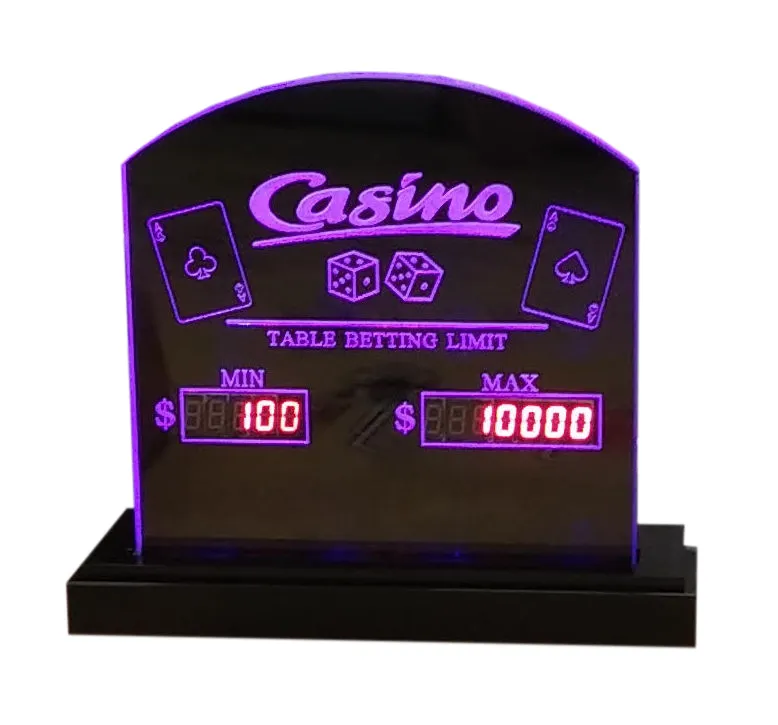
Photo: empty casino blackjack table minimum bet sign, via www.thebestpokersite.com
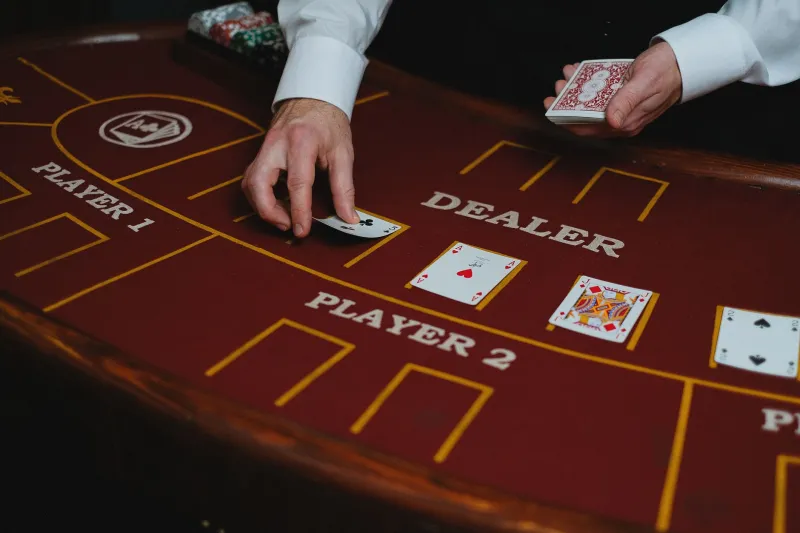
Walk into a casino on the Las Vegas Strip on a Saturday night and try to find a blackjack table under $25. Go ahead — we'll wait. What used to be a punishment reserved for high-roller pits has become the default floor price almost everywhere, and the folks who just want to stretch a twenty across a few hours of entertainment are the ones paying for it.
This isn't a story about casinos getting greedy overnight. It's a story about a decade of small decisions adding up to a locked door for the little guy.
The $5 Table Didn't Vanish. It Was Squeezed Out.
The math behind minimum bets is brutally simple. A casino floor is real estate, and every square foot has to earn its keep. A blackjack table with a $5 minimum might seat six players, but at those stakes the house edge generates pocket change compared to what the same space could earn at $25 a hand.
Add rising labor costs, insurance premiums, and the post-pandemic recalibration of the whole industry, and the low-limit table starts looking like a charity operation. Strip properties figured out something uncomfortable: the casual player will grumble, but the mid-tier bettor will pay. So the floor got rearranged around the people spending more.
The result? What was standard pricing in 2010 is now a premium product. The $10 table still exists in places — downtown Vegas, some regional riverboats, off-Strip joints locals swear by — but you have to hunt for it. On the Strip, it's a unicorn.
What This Does to a Player's Brain
Here's the part that matters more than the price itself: the psychological squeeze.
A casual player who budgeted $100 for the night used to be able to buy in at $5 blackjack and play for hours. Same bankroll at a $25 table? You're one cold streak from sweating every hand. That changes how you play — you start pressing bets to catch up, or you sit out hands to protect your stack, which is its own kind of misery.
There's a real tension that shows up when the minimum bet outpaces your comfort level. Either you play scared, or you play over your head. Neither is fun, and both drain the entertainment value out of what was supposed to be a night out.
Casinos, notably, don't seem worried about this. The assumption is that the small player will either stretch up or stay home. Increasingly, they're staying home — or going somewhere else entirely.
The Digital Table Is the Last Cheap Seat
Which brings us to the great migration. Online casinos and sweepstakes-style platforms don't have a floor to fill, a cocktail waitress to schedule, or a pit boss to pay. Their overhead structure means $1 blackjack isn't just possible — it's common. Minimum bets of 50 cents on slots, a dollar on table games, live dealer options that don't demand a mortgage: this is where the small-stakes player quietly relocated.
And honestly? The experience isn't the downgrade it used to be. Live dealer streams are crisp, mobile play is seamless, and the bankroll math is night and day. That same $100 that buys two cold hours at a Strip table can fund a week of low-stakes sessions online.
There are trade-offs, sure. No free drinks, no atmosphere, no crowd erupting when the dice hit. But for the player whose primary goal is playing — stretching a budget into actual entertainment time — the digital table wins on math alone.
Where the Small Player Goes From Here
If you're a budget gambler in 2025, you've got a few realistic paths:
- Go local or go downtown. Regional casinos and Vegas's older corridor still respect the $5–$10 player. The trade is atmosphere and convenience.
- Play off-peak. Some properties drop minimums on slow weekday mornings. It's not guaranteed, but it happens.
- Take the bankroll online. Low minimums, no pressure, and the ability to walk away from a bad table without crossing a casino floor.
- Rethink the game itself. Video poker at quarter denominations, low-limit craps variants, and even penny-adjacent slots (played carefully — see our earlier piece on that trap) can stretch a session further than a $25 blackjack table ever will.
The Table Isn't Coming Back
Don't expect the $5 table to stage a comeback. The economics that killed it haven't reversed, and casinos have learned they can live — even thrive — without the low roller on the floor. The land-based casino is repositioning itself as a premium entertainment product, and premium products don't have bargain bins.
The silver lining is that the small-stakes player finally has leverage in the form of options. The house priced you out of the room, but the room isn't the only game in town anymore. Your twenty dollars has somewhere to go — it just might not be where your dad took his twenty dollars.
Play within your budget, wherever that table happens to be. That part never changes.