Free Booze, Free Rooms, Free Lunch: The Comp System's Clever Math — and Its Online Knockoffs
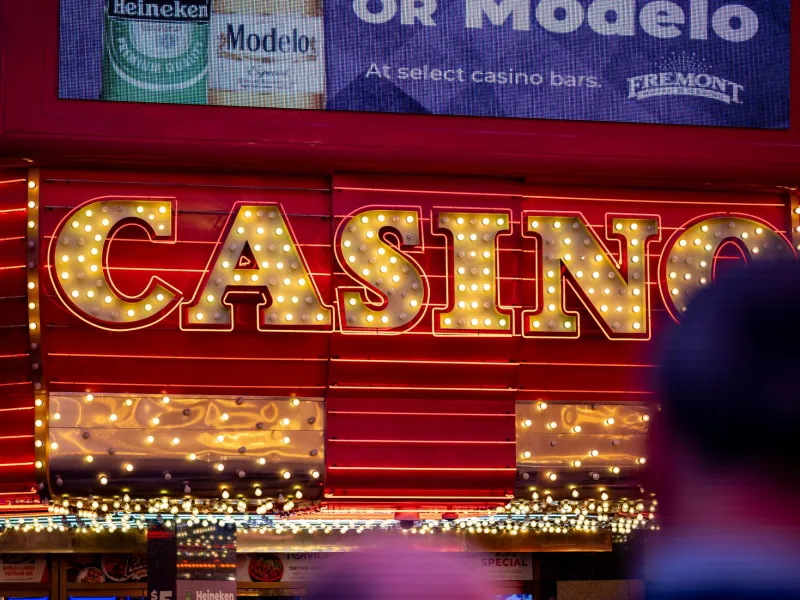
There's a particular kind of magic to walking up to a bar on the Las Vegas Strip, sitting down with a twenty, and having a waitress hand you a whiskey sour without charging you a dime. Most players know on some level that nothing in a casino is truly free. But few understand just how precisely the whole system is engineered — down to the penny — and why online casinos have spent the last decade trying, often clumsily, to recreate it.
The Buffet Was Never a Gift
Start with the classic Vegas comp playbook. Free drinks. Discounted — sometimes comped — rooms. Two-for-one buffet passes. Show tickets. On the surface, it reads like generosity. Under the hood, it's one of the most ruthless customer-acquisition models ever devised.
Here's the math the casinos figured out decades ago. A free cocktail might cost the house a dollar or two in pour and mix. But a player with a drink in hand plays longer, bets looser, and makes worse decisions. Studies and casino floor data alike have long suggested that alcohol softens the very judgment that protects a bankroll. A couple of dollars of booze can reliably generate dozens more in expected house profit. That's not hospitality — that's a return on investment.
The same logic runs through the whole comp ladder. A room sitting empty tonight costs the hotel almost nothing to give away, but a guest sleeping upstairs doesn't wander off to a competitor's floor at midnight. The buffet is a rounding error against the table minimums the casino expects in exchange. Even the famous loss of the Vegas buffet's golden era wasn't about food costs — it was about a shift in who the casinos wanted through the door.
Every comp is priced against a number casinos call theoretical loss — what they expect you to lose based on the game you're playing, your average bet, and your hours logged. Play blackjack at $25 a hand for four hours and you're generating a predictable amount of expected revenue for the house. The pit boss eyeballing your play isn't admiring your strategy; he's estimating your value like an accountant appraising a machine.
The Loyalty Card Was the Real Invention
The players' club card deserves more credit than it gets. Before swiping a card at every machine and table, comps were doled out by gut feel and pit boss discretion. After? Every spin, every hand, every bet became a data point. Casinos stopped guessing what you were worth and started knowing.
That data did two things. First, it let casinos comp you at the exact minimum needed to keep you loyal — no more free room than your play justified. Second, it identified the players worth chasing: the ones who lose steadily, predictably, and without complaint. The comp system isn't designed to reward winners. It's designed to retain a specific kind of loser, and it's remarkably good at its job.
Enter the Online Casino, Which Can't Buy You a Drink
Now hop forward to the modern era, when a huge share of American gambling happens on a phone in a living room in Ohio rather than at a barstool in Henderson. Online platforms face a problem the Strip never had: they can't pour you a drink, upgrade your room, or comp you a shrimp cocktail. There's no physical venue to subsidize.
So they invented substitutes. Welcome bonuses. Deposit matches. Free spins. Cashback on losses. VIP tiers with escalating rewards. These are the digital buffet — an attempt to replicate the psychology of the comp system with pixels instead of perks.
Some of it works surprisingly well. The core insight of the comp system — that a small gift upfront makes a player feel invested in a platform — translates fine to a screen. But the execution is where things get murky, because online bonuses come wrapped in terms that the buffet line never had.
How to Read a Digital Comp Like a Pit Boss
If you're going to accept free money from an online casino, do what the casinos do: run the math.
Wagering requirements are the whole ballgame. A "100% match up to $200" sounds great until you read that you have to bet the bonus — sometimes the bonus plus deposit — 30 or 40 times before withdrawing a cent. A $200 bonus with 40x playthrough means placing $8,000 in wagers before you see a dollar of it. On most games, that playthrough quietly guarantees the house reclaims the bonus and then some.
Game contribution matters. Many online bonuses count slots at 100% toward wagering but blackjack or video poker at 10% or nothing. Translation: the house steers your free money toward the games where it wins it back fastest.
Time limits create pressure. Expiring bonuses replicate the same urgency that keeps you at a hot table. A 7-day window on a big playthrough is designed to make you play more, faster, than you normally would.
Cashback is usually the honest one. A straight percentage back on net losses, with no strings, is the closest thing online gambling has to a fair comp. It's still priced into the house edge, but it's the rare bonus where the math is laid bare.
Strip or Screen?
There's something to be said for the original system, honestly. A Vegas comp is at least a tangible thing — a steak, a bed, a drink with an umbrella in it. Online bonuses are abstract numbers gated by fine print. If you're choosing between the two, weigh them the same way the house does: what is this "freebie" actually worth after the terms, and what behavior is it trying to encourage in me?
The buffet is closed, but the psychology that built it is alive and well — it just wears a different outfit now. Take the free stuff when it's genuinely free. Read the fine print when it isn't. And remember that in both versions, the house has already calculated exactly what your loyalty costs them. The smartest players make sure it costs the house more than the loyalty is worth.