The Twenty in Your Pocket: Why Tipping Is the Most Overlooked Line Item in Your Gambling Budget
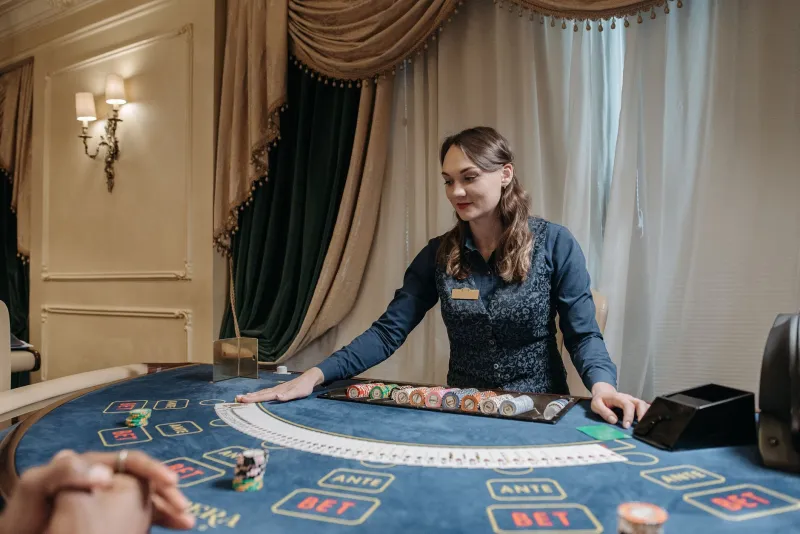
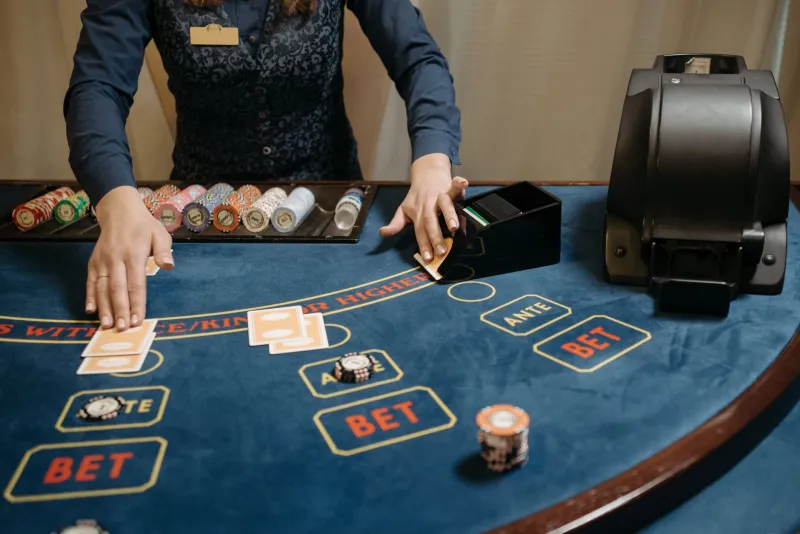
You did everything right. You picked a game with a low house edge, you set a session limit, you walked in with a number in your head and swore you'd stick to it. Then three hours later you're up $180, the cocktail server has circled back six times, the dealer just pushed your second blackjack, and you're sliding a chip across the felt without a second thought.
That chip? It was never in your bankroll plan. And across thousands of American players, those unplanned chips add up to a quiet, untracked cost of play that nobody puts on the brochure.
Let's fix that.
Tipping Isn't Charity — It's Part of Your Cost of Play
Here's the mental shift most gamblers never make: dealers, cocktail servers, and sportsbook runners are tipped workers. In Nevada and most gaming states, their base wages are built around the assumption that tips make up the bulk of their income. That means when you sit down at a $15 table, a portion of your expected loss is, culturally and practically speaking, earmarked for the people serving you.
Think of it like the vig on a sports bet. You don't call the juice "charity" to the sportsbook — it's just the price of doing business. A toke now and then works the same way. If you budget $200 for a session and expect to drop $40 in tips over a long night, your real buy-in is $240. Pretending otherwise is how bankrolls quietly bleed out.
The flip side: tipping is one of the few gambling expenses with a measurable return. More on that in a minute.
The Table Game Playbook
Table game etiquette varies by region, but the mechanics are consistent. The most common moves:
- Bet for the dealer. Place a side bet in front of yours on the circle or line, and say "for you" or "for the crew." If it wins, the dealer takes the winnings and your original stake stays live. This is the classic Vegas move — it lets the dealer win with you.
- Direct toke. Hand the dealer a chip after a nice run or at session's end. Craps players traditionally toss chips and call "for the dealers."
- Session-end tip. Cash or a chip when you color up. Even $5 on a short session is noticed.
A reasonable baseline: roughly 5% of your average bet per hour, or a chip or two every 30–45 minutes at lower stakes. At a $10 blackjack table, that's not much. At a $100 table, tipping becomes a real line item — and you should budget it like one.
Regional flavor matters too. Vegas dealers often pool tips, so your toke is shared. In Reno, Tunica, or a Midwest riverboat, house rules and tipping norms can differ, and smaller locals' casinos tend to run on tighter, more personal relationships between regulars and staff.
Cocktail Servers: The Small Bills That Go a Long Way
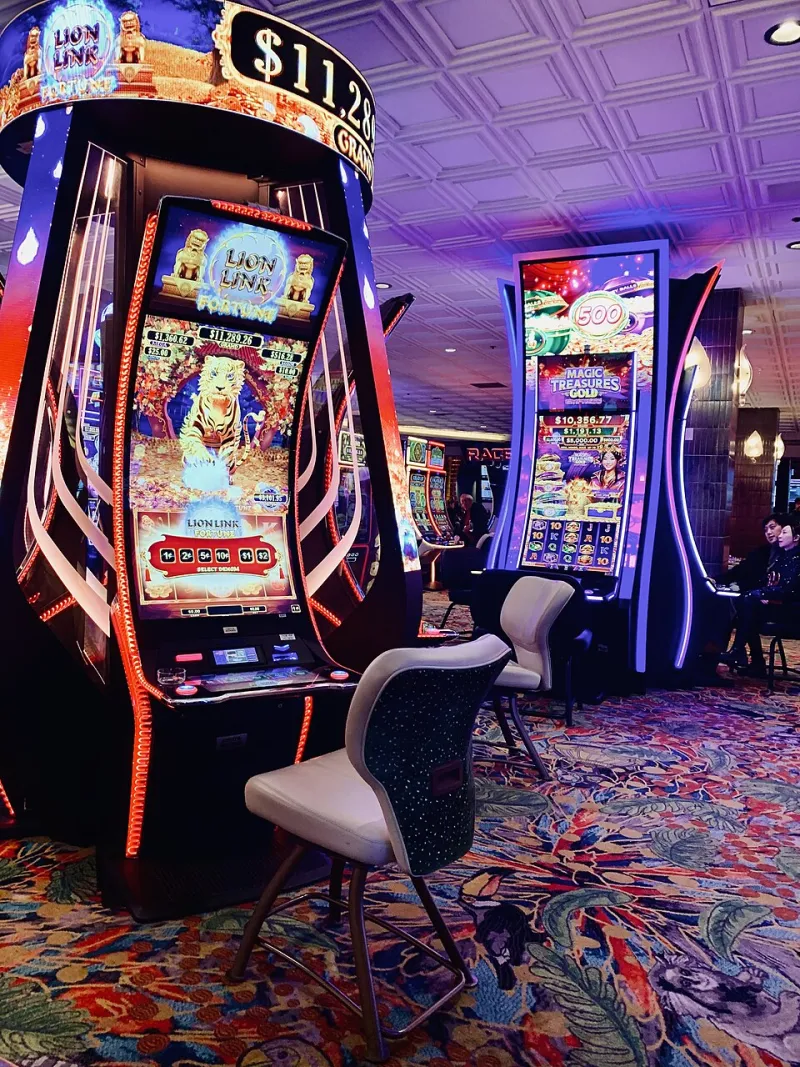
The drink is free. The service isn't. The standard is $1–$2 per drink, cash, on delivery — not at the end of the night when she's long gone. If you're playing low-stakes slots and nursing one drink an hour, a couple bucks per round is the whole social contract.
A common mistake: players tip big on the first round to "establish" generosity, then nothing after. Servers track patterns, not moments. Consistent small tips beat a single dramatic one, especially if you want your drink orders remembered on a busy Saturday night.
Sportsbook Runners and Ticket Writers
Brick-and-mortar sportsbooks are the forgotten frontier of tipping culture. If you're betting in person — think the Las Vegas Race & Sports SuperBook, a Jersey-adjacent Atlantic City book, or a tribal casino book in Arizona or Michigan — the person punching your tickets is handling a high volume of transactions for a modest wage.
Norms here are looser, but a common approach is a small percentage of winnings on a cashed ticket — a dollar or two on a winning $50 bet, more on a big parlay hit. If a runner runs tickets for you all afternoon during an NFL Sunday, tip like you'd tip a bartender who kept your tab open for four hours. Because that's exactly what they are.
On betting apps, there's no tip button — and that's fine. But if you're doing in-person pickup at a casino cage, cash still talks.
Live Dealer Apps and the Digital Tip Button
Here's where it gets weird. Live dealer studios now serve players across multiple states, and their interfaces include "tip the dealer" buttons — often with suggested amounts and cheerful animations. A few things to know:
- Digital tips are real money leaving your bankroll, and they're easy to tap impulsively while the game is moving fast.
- Dealers at online studios are typically paid differently than floor dealers, and tips may be pooled or split across studios. Your $5 button-press isn't going directly into anyone's pocket the way a felt toke does.
- There's no comp math happening for you on an app the way there is at a physical casino. Tipping online is pure goodwill, not an investment.
If you enjoy live dealer play and want to tip, do it deliberately — a fixed amount per session, not a reflexive button tap every time the dealer says your username out loud.
The Comp Connection: Why Generosity Pays (a Little)
Here's the part nobody advertises: dealers and servers talk to pit bosses and player's club staff. A player who tokes regularly, treats staff well, and plays a steady game gets remembered. That memory translates into rate reductions on your hotel, food comps, and the occasional "let me see what I can do" from a floor supervisor.
It's not a formula, and no one's handing you a rebate slip for your tips. But ask any long-time Vegas regular how they got their room comped during a losing trip, and the answer usually starts with "well, I've been tipping Maria on the craps table for six years."
The math is simple: $30 in tips over a session might influence hundreds of dollars in comp decisions. That's a better ROI than most side bets you'll find.
Build It Into the Budget
The fix is boring and effective: before you walk in, decide your tip total and add it to your session bankroll. "$150 to play, $20 to tip" is one number — $170 — and every dollar past it is a real overage, not a rounding error.
Tipping well won't change the house edge. But treating it as a planned cost instead of a guilt tax does two things: it keeps your bankroll honest, and it makes you the kind of player the whole floor wants to see walk through the door. In a game where every edge is small, being remembered is an edge too.