Penny Slots, Dollar Problems: The Hidden Cost of Playing It Cheap
There's a comforting myth baked into American casino culture: bet small, lose small. Walk into any casino from Reno to Atlantic City and you'll see it in action — players clustered around $5 blackjack tables and penny slots, convinced they're the smart ones while the high-limit lounge folks torch their money upstairs.
The problem? The math doesn't agree. In fact, if you measure losses by the hour instead of by the hand, the low-limit crowd often bleeds money faster than the whales. Let's break down why.
The Number That Actually Matters: Bets Per Hour
Casinos don't make money on how big your bets are. They make money on how many bets you make. Every wager is a small transaction where the house edge takes its cut, and the more transactions you run, the more toll you pay.
Here's a rough comparison:
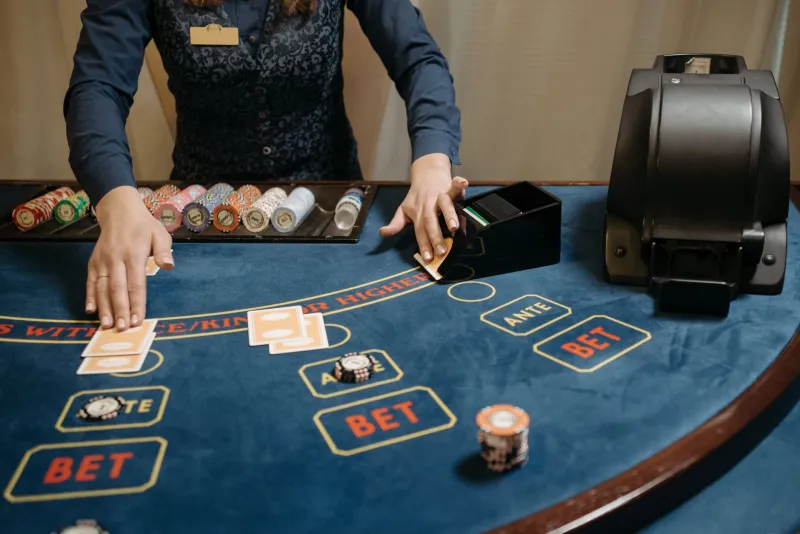
- $25 blackjack, basic strategy, 60 hands/hour: You're putting $1,500 into action. With a 0.5% house edge, expected loss is about $7.50/hour.
- $5 blackjack, casual play, 120 hands/hour (faster dealers, more players making quick decisions): That's $600 in action. But add in imperfect strategy pushing the edge to 2%, and you're losing around $12/hour.
The high roller betting five times more per hand is losing less money, because they're playing fewer hands, playing them correctly, and getting a better rate. It's the difference between a big wave that crashes once and a slow drip that never stops.
Speed Kills a Small Bankroll
Low-limit tables attract exactly the kind of environment that maximizes decisions per hour. Dealers move quicker because the stakes are lower. Players don't agonize over $5 bets the way they would over $100. And nobody calls a floor supervisor over a $5 mistake.
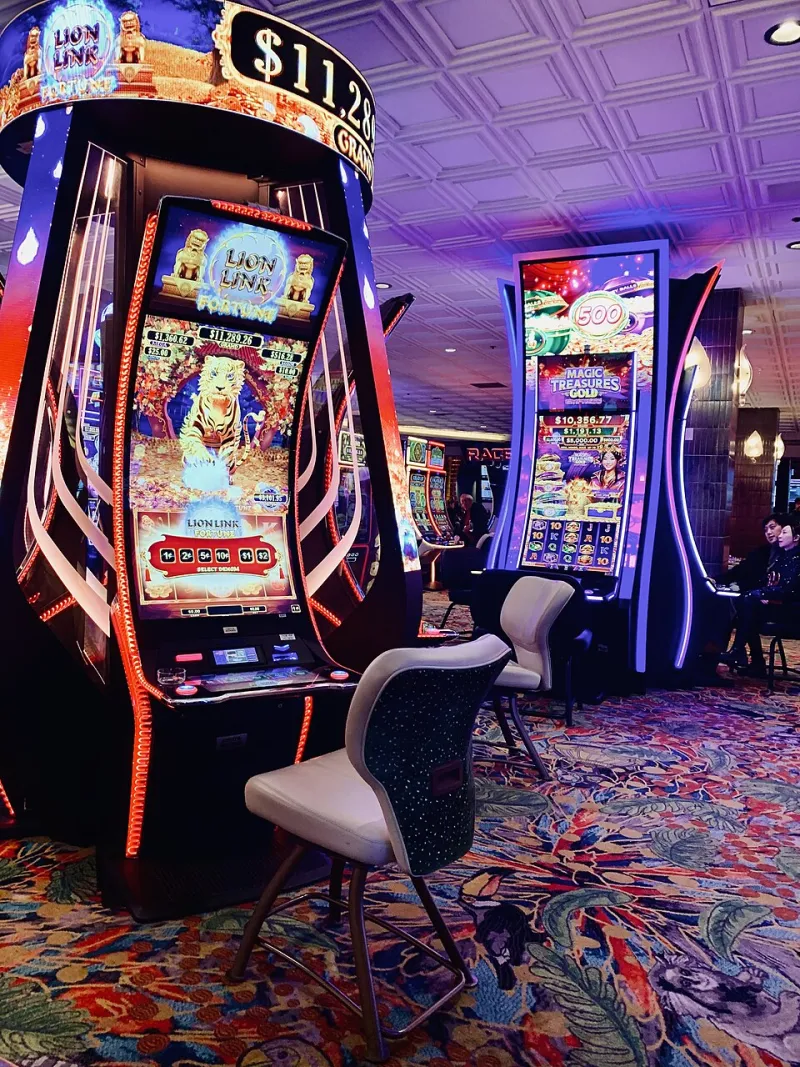
Slots are even worse. A penny slot with a max bet can easily spin every 3 seconds. At $1.25 per spin, that's $1,500 in hourly action with a house edge of 5-10% — a $75 to $150 per hour expected loss. Your buddy betting $50 a hand at a high-limit table, playing 40 hands an hour, is putting $2,000 in action but at a 1% edge, that's only $20/hour.
The "cheap" player is losing seven times more. The reels just spin slow enough that nobody notices.
The Side-Bet Siphon
Low-limit tables are also where the side bets live. Lucky Ladies. 21+3. Perfect Pairs. The Bonus Spin. They're marketed as cheap thrills — a dollar here, five bucks there.
But side bets carry house edges that would make a slot machine blush, often 7% to 15% or worse. A player tossing $5 on 21+3 every hand at a $5 table is doubling their total action while dramatically raising the house's take rate. The side bet isn't a garnish. It's the whole meal for the casino.
High rollers, ironically, often skip these — they're there for the main game, where the odds are actually the best on the floor.
Why Our Brains Get This Backwards
Psychologists call it "pain of paying" — the discomfort of a large transaction. A $25 loss stings. Twenty-five separate $1 losses barely register. Casinos have known this forever, which is why denominations keep shrinking while bet frequency keeps climbing.
There's also the endurance factor. Small bets let you play longer, and time on the device is the single biggest predictor of total loss. The high roller might walk after 90 minutes. The $5 player camps out for six hours, refilling their chip tray four or five times. Total loss: higher. Perceived pain: lower. That's the trap.
How to Flip the Math in Your Favor
You don't need a big bankroll to bet like a smart player. You need to attack the same variables the house does:
1. Fewer, larger bets beat many small ones. If you have $200 to play with, ten $20 hands at a decent table will cost you less in expected loss than two hundred $1 bets — and you'll actually feel each decision.
2. Slow the game down. Play at full tables (fewer hands per hour), take your time on decisions, and don't chase side bets. Every hand you skip is a hand the house doesn't tax.
3. Skip the prop bait. Side bets exist because they're profitable, not because they're fun. If the main game isn't holding your attention, that's a sign to take a break, not to spice it up with a 10%-edge lottery ticket.
4. Set a session clock, not a loss limit. Loss limits get rationalized. Time limits don't. Two hours means two hours.
The Bottom Line
Betting small isn't a strategy — it's a feeling. And feelings are exactly what the house edge is designed to exploit. The players who lose the least per hour aren't the ones betting the least per hand. They're the ones betting the fewest hands, at the best odds, with the fewest gimmicks attached.
At IconWin999, we're all for having an edge. Sometimes that edge isn't about betting bigger. It's about betting smarter — and knowing that at the casino, cheap is just another word for slow.