Dream Tickets and Dead Spins: What America's Jackpot Chasers Get Right (and Very Wrong)
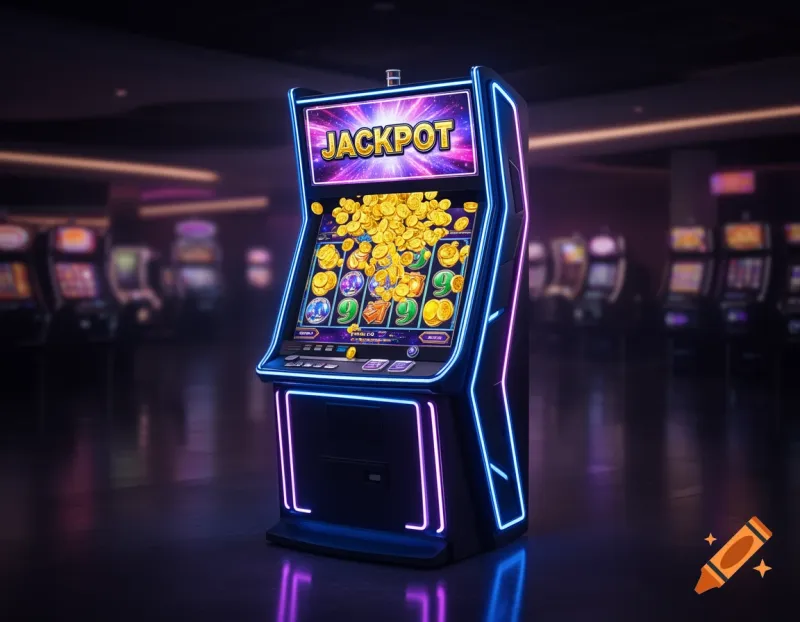
Photo: casino progressive jackpot slot machine glowing lights, via media.craiyon.com
Every casino floor in America has two tribes. In one corner: the disciplined grinder, nursing a $20 budget at a low-volatility video poker machine, stretching entertainment across hours. In the other: the jackpot chaser, eyes locked on that seven-figure counter ticking upward above the banks of progressive slots.
The grinders like to think they're the smart ones. And statistically, they usually are. But dismissing the jackpot crowd entirely misses something interesting about how people actually gamble — and where the dream-big approach quietly turns into a bankroll leak.
The Allure of the Life-Changing Hit
There's a reason the Mega Millions line wraps around the gas station and progressive jackpot counters glow from every casino window in Reno and Atlantic City. Behavioral economists call it probability weighting: humans don't process tiny odds linearly. A one-in-a-million shot doesn't feel like almost-zero. It feels like a chance.
That's not stupidity. It's the same wiring that makes people buy insurance. The difference is that insurance protects against ruin, while a jackpot ticket is a voluntary purchase of a fantasy. For a few dollars, you get to spend the evening imagining the lake house. Psychologists who study lottery play have found that this "dream dividend" is often the real product being sold — and for some players, it's a genuinely cheap form of entertainment.
Meet the Archetypes
Spend enough time around US casinos and sportsbooks and the jackpot-chasing crowd sorts itself into a few recognizable types:
The Max-Bet Traditionalist. Older school, plays the big-name progressives, convinced that betting max credits is the only way the machine "pays." Sometimes true — many progressives require max bets for the top prize — but often a folk belief that just burns bankroll faster.
The Side-Bet Sniper. Found at the blackjack table or the sportsbook kiosk, tossing a dollar at the million-to-one progressive side wager on every hand. Low commitment, high fantasy. Honestly, one of the more sustainable versions of the habit.
The Chaser. This is where it gets unhealthy. The chaser plays past the entertainment budget because they're "due," treating a cold streak on a progressive as an investment in an inevitability. This player has confused a random number generator with a savings account.
What the Math Actually Says
Here's the uncomfortable truth the grinders are right about: a 97% RTP game with low variance will preserve your bankroll dramatically longer than a 96% RTP game with a massive jackpot attached. The jackpot contribution — often 1% to 3% of every wager — is siphoned out of your returns in the here and now to fund someone else's future windfall.
But the full picture is more nuanced. Expected value isn't the only lens. Consider variance-adjusted play: if you have a $100 budget and want four hours of entertainment, the low-volatility game is objectively better. If you have $100 and would genuinely get equal enjoyment from a 30-minute shot at a life-changing number, the jackpot hunt isn't irrational — it's a different product. You're not buying playtime. You're buying a lottery ticket with better production values.
The math turns sour in exactly one place: when the dream stops being the purchase and starts being the plan. If a player is budgeting toward a jackpot — treating it as income, chasing losses to "recoup" — the entertainment frame has collapsed into a leak.
The Hybrid Playbook
There's a middle path that serious recreational players have quietly adopted, and it's worth stealing:
- Split the budget. Something like 80% toward steady, lower-variance play that stretches your session, and 20% toward jackpot lottery tickets — progressive side bets, high-volatility spins. The grinder money funds the evening; the dreamer money funds the fantasy.
- Cap the dreamer side. Once the jackpot allocation is gone, it's gone. No borrowing from the session bankroll.
- Know the rules. Some progressives require max bets for eligibility. If you're playing minimum stakes at a machine where the top prize is locked out, you're getting all the downside and none of the dream.
- Audit your feelings. If a near-miss on the jackpot reels leaves you frustrated rather than amused, that's a signal your relationship with the long shot has shifted from play to pressure.
Respect the Dream, Respect the Math
Jackpot chasers aren't America's worst gamblers. The person dropping rent money on parlay cards is in far worse shape than the retiree putting a measured $10 a week into progressive tickets for the pleasure of imagining the payout. Long-odds play only becomes a problem when hope stops being a purchase and starts being a strategy.
The counter above the slots will keep climbing whether you play or not. Treat your shot at it like the ticket it is — priced, budgeted, and enjoyed — and the dream costs exactly what you decided it should.