Twenty Bucks and a Timer: The Quiet Genius of the Small-Session Gambler
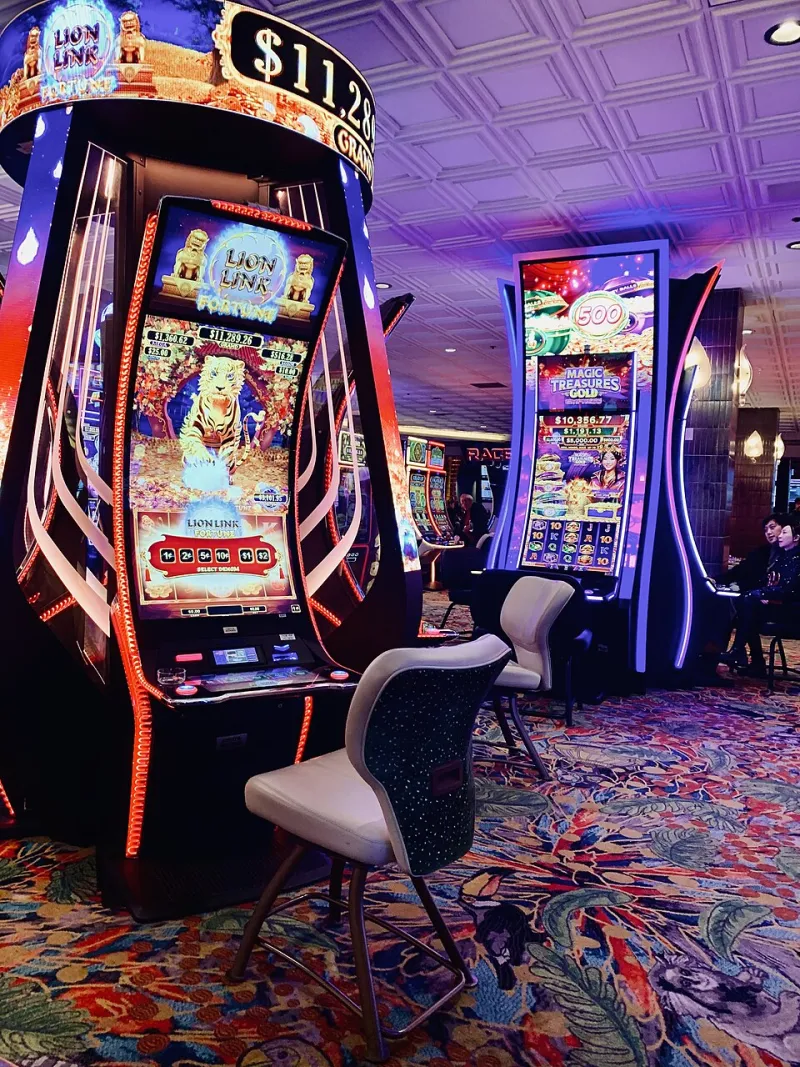
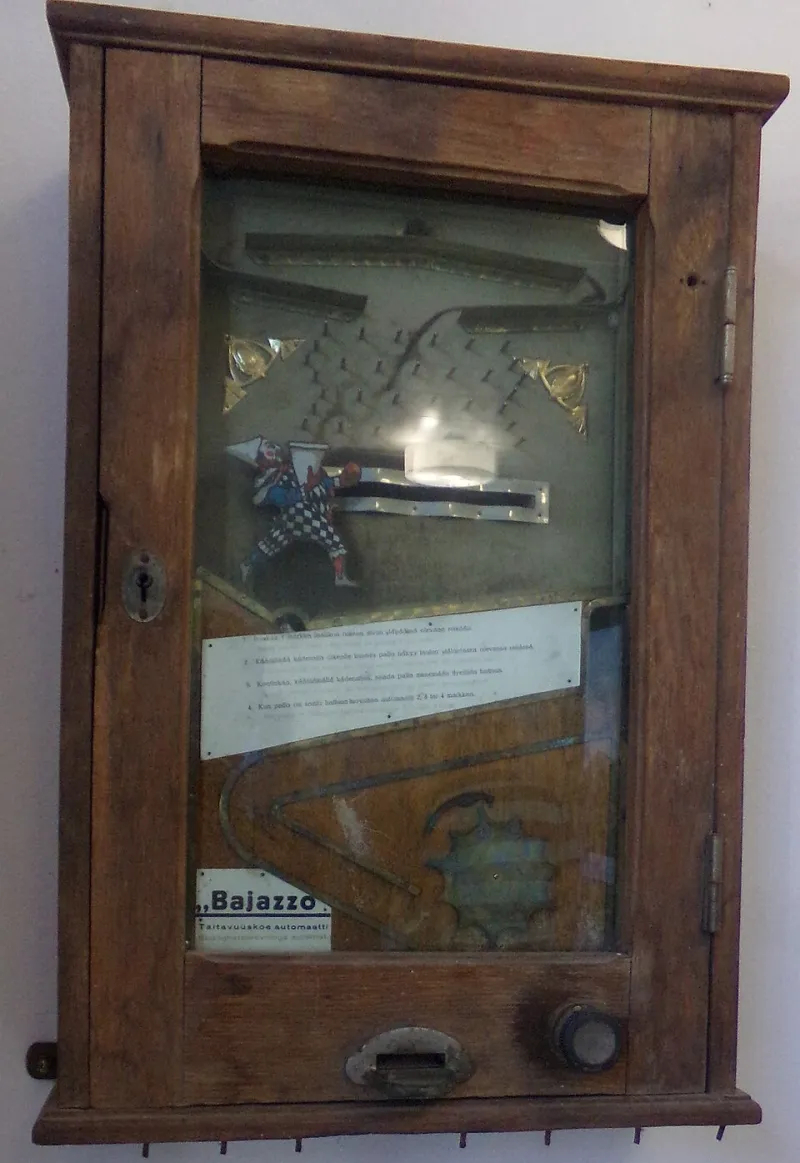
Photo: Lchung9779, CC BY 4.0, via Wikimedia Commons
Walk through any casino in America — Vegas, Atlantic City, a riverboat in Iowa — and you'll spot two very different gamblers. There's the high roller at the blackjack table, tossing around $100 chips like they're loose change, racking up comps and free drinks. And then there's the person in the corner with a twenty-dollar bill, a phone timer set for two hours, and a smile on their face.
Here's the unpopular opinion: the second person is having more fun. Not just relative fun — actual, measurable, per-dollar fun. And the numbers back it up.
What 'Fun Per Dollar' Actually Means
Think of gambling like any other entertainment purchase. A concert ticket, a movie, a day at Six Flags — you pay money, you get an experience. Gambling is the only entertainment product where most people measure success by whether they walked out with more cash than they walked in with.
That's a broken metric. If you spend $200 at a steakhouse, you don't call it a failure because you didn't leave with food. But somehow a $200 casino session that ends at zero feels like a loss instead of two hours of entertainment.
So let's reframe it: fun per dollar = hours of genuine engagement divided by money spent. By that measure, the small-session gambler is absolutely cleaning up.
The Breakdown: Slots, Tables, and Sports
Slots. A $20 budget at penny slots with minimum bets of $0.20 a spin gives you roughly 100 spins if you break even — and with a 90-96% RTP, you'll stretch that further than you'd think. Even at a $0.40 max-bet pace, you're looking at 45 minutes to an hour of spinning, bonus rounds, and near-miss adrenaline for the price of a pizza.
Compare that to the $500-a-spin crowd. Sure, they get the cocktail server's full attention. But one cold streak and their night is over in twenty minutes. That's $1,500 an hour for entertainment — worse than courtside seats.
Table games. A $20 buy-in at a $5 blackjack table is 4 units of cushion, which is tight but playable if you're disciplined and flat-betting. Craps at $1 minimums — which still exist at some regional casinos and downtown Vegas joints — can make $20 last an entire afternoon. Meanwhile, the $25-minimum-table player needs $500+ just to survive normal variance. Same game, same rules, wildly different cost of admission.
Sports betting. This is where small-stakes play really shines. A $20 bankroll split into $1-2 bets across a Saturday slate gives you twenty separate reasons to sweat a fourth quarter. Twenty emotional rollercoasters for one Andrew Jackson. The guy dropping $500 on a single game gets one rollercoaster — and if it loses in the first quarter, his Sunday is ruined.
How Casinos Quietly Punish Small Players
Let's be honest about the downsides, because they're real. Low-stakes gamblers get worse comps, slower drink service, and sometimes audible sighs from dealers when you sit down at a table with two twenties. Players club math is brutal at low volumes — you might earn $5 in free play after a month of $20 sessions.
Some casinos have essentially priced out the small player entirely. $15 blackjack minimums on a Tuesday afternoon. $1 slots that are actually 88% RTP machines dressed up in nostalgic cabinets. The message is clear: we don't really want your twenty bucks.
Why They Secretly Love You Anyway
Here's the twist, though. Casinos also quietly adore the small-session player, for reasons the players club statement won't show you:
- You never need a marker, a credit check, or a host intervention. Low-rollers are zero-risk customers.
- You don't card-count, edge-sort, or advantage-play your way into their nightmares. You're just there to have fun.
- You fill the floor. A casino packed with happy $20 players feels alive. A casino full of grim high rollers feels like a morgue with a buffet.
- You're the pipeline. Today's penny-slot player is tomorrow's $10 blackjack player, and eventually maybe more. Every high roller started small.
The house edge doesn't care if you bet $0.20 or $200 a hand — it grinds the same percentage either way. The casino wins slowly no matter what. The only variable is how much entertainment you extract before the math does its thing.
The Two-Hour Rule Changes Everything
The real secret weapon of the small-session gambler isn't the small bankroll — it's the timer. Deciding in advance that you're playing for two hours, win or lose, does something psychologically powerful: it converts the session from a profit-seeking mission into a scheduled entertainment block.
When the money is already "spent" in your head, every bonus round is a bonus, every winning hand is dessert, and hitting zero just means the movie's over. No chasing. No ATM run. No 2 a.m. session you'll regret on the drive home.
The high roller, by contrast, is often trapped by sunk-cost thinking. When you've dropped $2,000, walking away feels like admitting defeat — so the session keeps going, the losses keep compounding, and the fun quietly drains out of the room.
The Verdict
Nobody's saying don't dream big or never splash a bet. But if the goal is entertainment — and for 95% of players, it is — the $20 session with a hard stop delivers more laughs, more sweat, and more stories per dollar than any VIP experience ever will.
The high roller gets the comped suite. The small-session player gets something better: a night out that cost less than DoorDash and didn't come with a hangover of regret.
Twenty bucks. Two hours. Zero chasing. That's not playing it small — that's playing it smart.