When the Clock Strikes Midnight, Your Bankroll Gets Sleepy Too
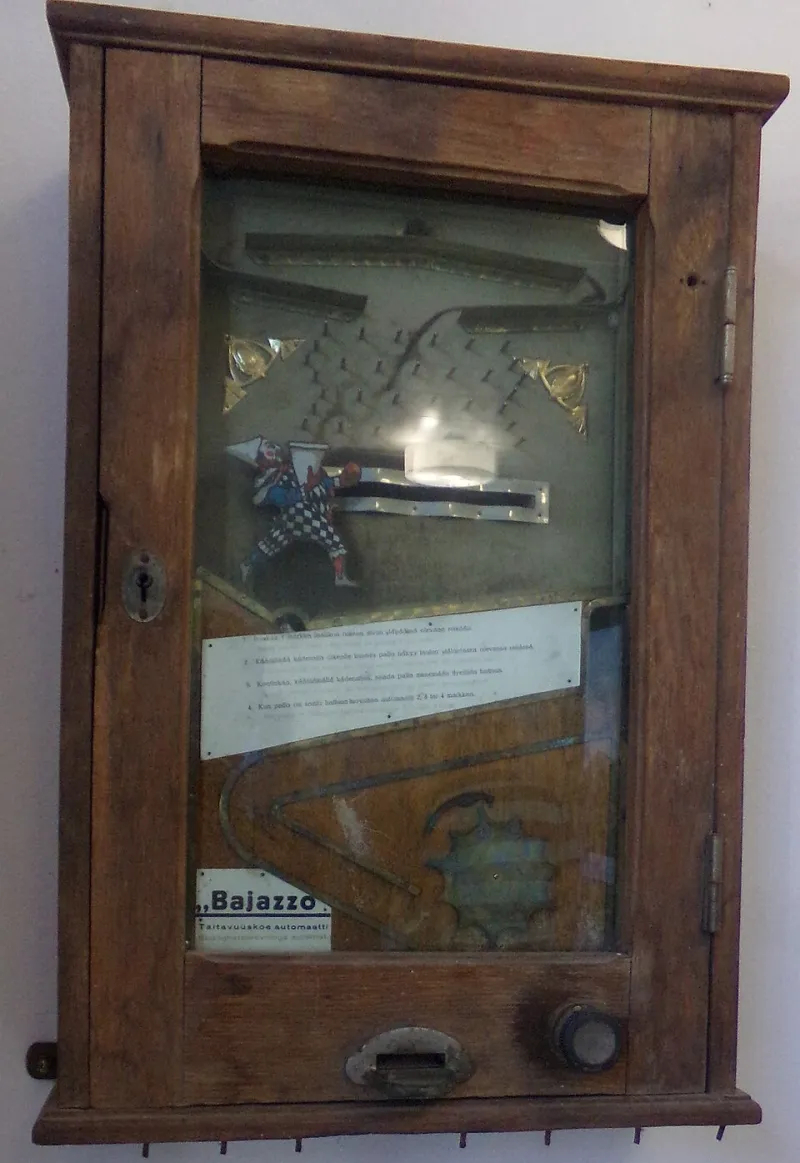
Photo: Ypsilon from Finland, CC0, via Wikimedia Commons
It starts innocently enough. The game's over, you're winding down, and the phone is right there on the nightstand. One quick blackjack session. A few live bets on the late West Coast tip-off. Nothing serious.
Three hours and a painful bankroll statement later, you're wondering how the same person who carefully researched their picks all week just dropped $200 on a Romanian second-division soccer match they couldn't find on a map.
Welcome to the 3 AM gambling brain. It's real, it's measurable, and it's costing American bettors more than most of us would like to admit.
Your Brain After Midnight Is Not Your Brain at Noon
Sleep researchers have known for decades that cognitive performance doesn't degrade gracefully — it falls off a cliff. Studies on circadian rhythms show that reaction time, risk assessment, and impulse control all take a measurable hit during the late-night hours, even in people who feel wide awake.
That last part is the trap. Fatigue doesn't announce itself the way hunger does. Instead, it quietly rewires how you weigh risk and reward. Research on sleep-deprived decision-making has found that tired brains tend to overvalue potential wins and undervalue potential losses — essentially, your internal risk calculator starts rounding in the house's favor.
Translate that to a casino app or sportsbook: the same person who'd never touch a 10-leg parlay at 2 PM suddenly finds it compelling at 2 AM. The same player who walks away after a set loss limit at the tables keeps hitting the re-bet button because tomorrow-you can deal with the consequences.
And tomorrow-you always ends up holding the bill.
The Late-Night Volume Problem
Ask anyone who's worked a graveyard shift at a Las Vegas casino: the overnight crowd plays differently. The energy is looser, the decisions are looser, and the average bet size tends to creep upward as the hours wear on.
Online, the pattern shows up in the data too. Industry analyses of betting volume consistently show spikes around major evening events, but the behavior in those late sessions skews toward higher variance play — bigger single bets, more parlays, faster spin speeds. Live betting, which rewards quick reflexes and punishes impulsive ones, thrives in exactly the window when bettors are least equipped to think clearly.
Sportsbooks aren't naive about this. Late-night promotions, boosted odds timed to post-midnight games, and one-tap deposit features all exist because the overnight player is a profitable player. That's not a conspiracy — it's just business. But it means the burden of self-protection falls squarely on you.
Add a Few Drinks and the Math Gets Uglier
Plenty of late-night sessions come with a buzz attached. Whether it's drinks during the game or a nightcap while you scroll the lobby, alcohol and gambling have always been a costly pairing.
Alcohol narrows your focus to immediate rewards and blunts the emotional sting of losses — which sounds pleasant until you realize that sting is exactly the signal that tells a smart bettor to stop. Casino floors have offered free drinks for a century because it works. The pocket casino in your hand doesn't even need to comp the cocktails; you supply your own.
Stack a tired brain on top of a slightly buzzed one, and you're making real-money decisions with roughly the judgment of someone who'd fail a sobriety field test. Would you sign a lease in that state? Then why are you betting it?
Guardrails Worth Setting Before Dark
The good news: late-night losses are almost entirely preventable, because the fix happens hours earlier when your judgment is intact. A few practical moves:
Set a hard curfew on your apps. Most licensed US sportsbooks and online casinos offer session limits, deposit limits, and reality checks in the account settings. Use them. A deposit cap of $50 doesn't care how confident you feel at 3 AM.
Decide your overnight budget at dinnertime. Whatever number you settle on while sober and rested, treat it as final. Withdraw winnings before midnight if you're serious about protecting them.
Remove the one-tap temptation. Delete saved payment methods from gambling apps. Adding friction — even 90 seconds of typing in a card number — gives the impulsive brain a window to reconsider.
Never bet tired and drinking. Pick one. If you've had drinks, the session is over. No exceptions, no "just one more."
Watch for the revenge spiral. Late-night chasing is the single most expensive habit in gambling. If you catch yourself upping stakes to win back an earlier loss, close the app and go to bed. The games will be there tomorrow. Your money might not be.
The House Doesn't Sleep — So You Should
There's a reason the old casino slogan was about never having to close. The modern version never closes either, and it's engineered to make 3 AM feel like prime time. But your edge as a bettor — such as it is — lives in discipline, patience, and clear thinking. All three of those check out around midnight.
The sharpest play most gamblers can make after midnight isn't a bet at all. It's plugging in the phone, setting the limits, and letting tomorrow-you handle the action. Your bankroll will thank you in the morning.